


Contribute to TNF
Image Credit: Rebecca Nathan.

Submit an Article, Story, or Photo to TNF
TNF welcomes contributions from writers, storytellers, farmers, scientists, growers of all sizes, conservationists, food justice activists, eaters, visionaries, and the like! As long as the content relates to agriculture, food, or the land - TNF wants to hear from you.
TNF is published quarterly as the seasons change. While each issue centers on a specific theme, we always include general technical and informative farming articles.
Receive TNF for free for one year (4 issues) if your submission is published. You can receive a $100 stipend if your submission is published and you invoice the editor. Articles are more likely to be published if they are submitted with high-quality (300DPI) clear images.
TNF editors reserve the right to make minor changes to content for clarity, grammar, or length. If editing that alters a submission's story is required, we will share the edited version with the author for approval before publication. TNF reserves the right to use or not use images submitted with an article based on space limitations, image quality and content.
We prioritize publishing submissions from People of Color and/or about issues related to land and food justice, anti-racism, and those applicable to growing in the Northeastern US.
Upcoming Themes

Image: Silvopasture, Wellspring Forest Farm
Winter 2026
Agroforestry
Submission Deadline: November 1st
Integrating trees and shrubs with crops or livestock creates diverse, productive, and profitable landscapes. Through key practices such as silvopasture, alley cropping, windbreaks, and riparian buffers, agroforestry improves soil health, increases biodiversity, reduces erosion, diversifies income streams, and more.
What combination of crops works best on your agroforestry farms? How have you used animals to manage your annual crops? Do you farm in existing forests or have you grown new forests to farm within?
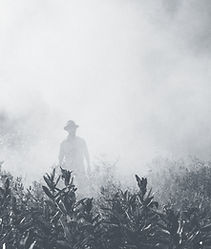
Image Credit: Wix
Spring 2027
Death & Life on the Farm
Submission Deadline: February 1st
Life and death on a farm exist in a constant, close cycle. Germination, births, and death shape every day. Catastrophic crop loss and seasonal shifts are a reality. As farmers, we face the incredible joy of new life and the hard, often sudden reality of mortality as a normal part of nature.
How do you cope with loss on your farm? Do you celebrate life and offer ceremony for death on your farm? What regulations shape how you handle slaughter, and what would do differently?

Image Credit: River Queen Greens
Summer 2027
Plastics on the Farm
Submission Deadline: May 1st
Plastics on organic farms are a complex trade-off. They provide critical operational benefits like weed suppression and water conservation, but they create significant environmental problems with waste and microplastics.
What alternatives to plastics are there to acheive the same result? Are microplastics a problem in the food we grow?

Image Source: Stephanie Castle
Fall 2027
The Elder Farmer & The Next Generation
Submission Deadline: August 1st
With roughly 1.29 million farmers aged 65 and older compared to only about 296,000 producers under the age of 35, the transition from our elder farmers to the next generation involves critical challenges, including an aging agricultural workforce, high capital costs, a major lack of formal succession planning, and the next generation not staying on the farm.
(If you'd like to send a pitch first, email TNF@NOFA.org).
There are many ways to contribute...
Write a technical article based on experience and/or research (1000 - 1200 words)
Share a story or experience from your farm or a farm that inspires you (500-800 words)
Write an opinion piece about a trending topic (250-400 words)
Write a book review (we can help you get the book) (600 words)
Share a nonfiction, personal story in the "Lessons from the Land" column (400-600 words)
Share essays or stories about food justice and farming for change (500-800 words)
Review a practical tool used for farming or share your favorite Farm Hack (500 words)
Submit a photo
Submit a seasonal recipe
